Battery Energy Storage System for Commercial Buildings: The Complete Business Guide
Electricity costs are rising. Grid outages are becoming more frequent. Businesses are under pressure to reduce carbon emissions while maintaining uninterrupted operations.
For commercial buildings, these challenges directly impact profitability, productivity, and customer experience.
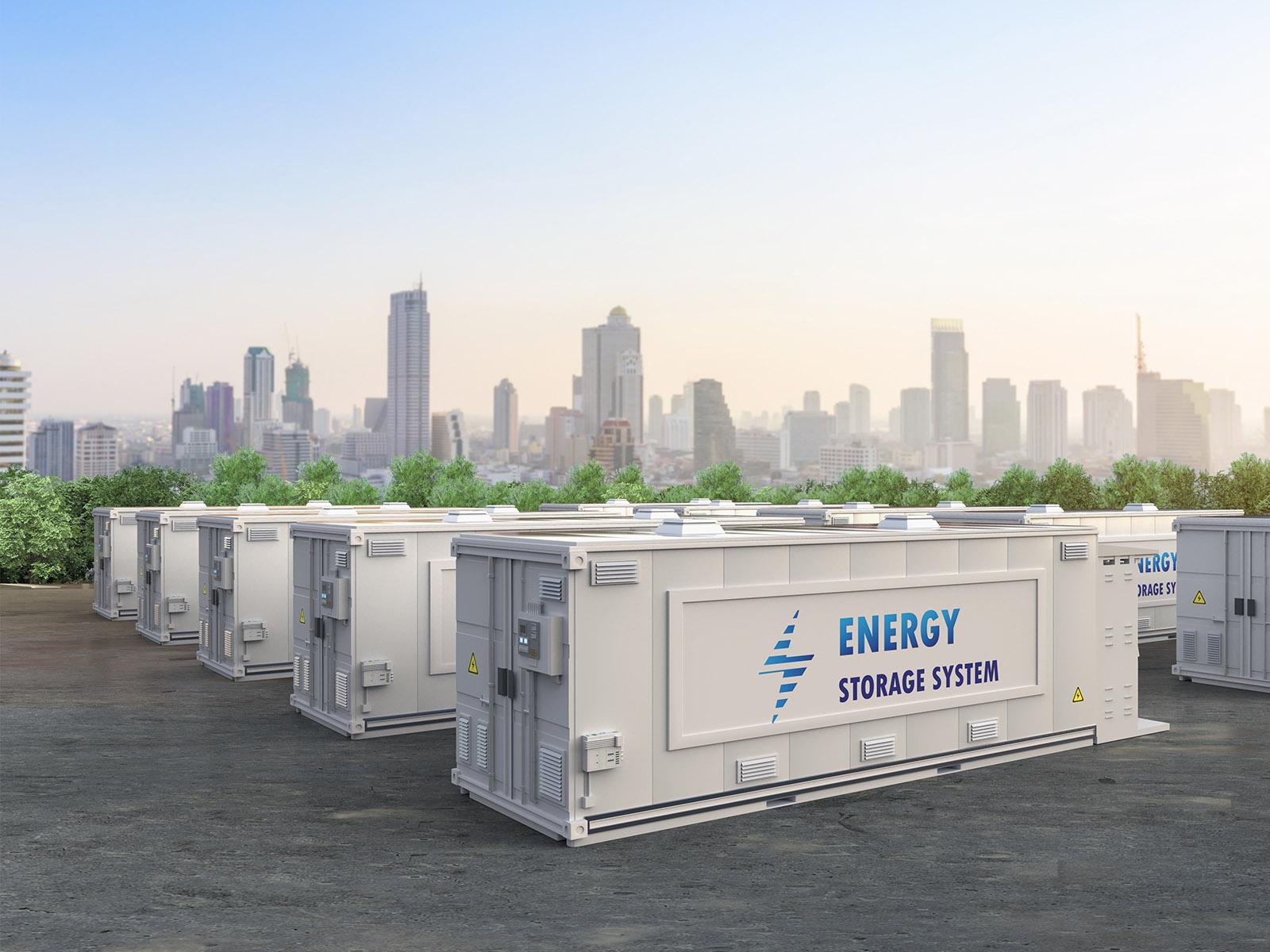
A battery energy storage system for commercial buildings has emerged as one of the most effective solutions to manage energy intelligently. Rather than relying solely on the utility grid, businesses can store electricity during off-peak hours or from renewable energy sources like solar panels and use it when demand is highest.
The result is lower electricity bills, improved energy resilience, reduced carbon footprint, and greater control over power consumption.
Whether you manage an office tower, shopping mall, hospital, hotel, warehouse, manufacturing unit, educational institution, or mixed-use commercial property, understanding Battery Energy Storage Systems (BESS) can help you make smarter long-term energy decisions.
Table of Contents
- What Is a Battery Energy Storage System (BESS)?
- Why Commercial Buildings Need Energy Storage
- How a Commercial Battery Energy Storage System Works
- Key Components of a BESS
- Benefits of Battery Energy Storage Systems
- Types of Commercial Battery Technologies
- Applications Across Industries
- Battery Storage vs Diesel Generator
- Battery Storage vs Grid-Only Power
- How to Choose the Right BESS
- Common Mistakes to Avoid
- Future Trends
- Frequently Asked Questions
- Conclusion
What Is a Battery Energy Storage System (BESS)?
A Battery Energy Storage System (BESS) is a solution that stores electrical energy in rechargeable batteries and supplies power whenever needed.
Unlike traditional backup systems that only operate during outages, a modern BESS actively manages energy throughout the day. It stores electricity when prices are low or renewable generation is high and discharges it during expensive peak periods or grid failures.
For commercial buildings, this means:
- Lower electricity bills
- Better energy reliability
- Improved sustainability
- Smarter energy management
- Greater independence from the utility grid
Think of it as an energy bank. Instead of storing money, it stores electricity for future use.
Why Commercial Buildings Need Battery Energy Storage?
Commercial buildings rarely consume electricity evenly throughout the day.
Demand spikes during business hours when:
- HVAC systems run continuously
- Elevators operate frequently
- Lighting demand increases
- Data centers consume power
- Manufacturing equipment starts simultaneously
These short periods of high consumption often trigger expensive demand charges.
A battery energy storage system reduces these peaks by supplying stored electricity exactly when demand rises.
Instead of paying for the highest power demand each month, businesses flatten their energy profile.
This strategy is known as Peak Demand Management, one of the biggest financial advantages of commercial BESS.
How Does a Battery Energy Storage System Work?
A commercial Battery Energy Storage System follows a continuous energy cycle.
Step 1: Energy Collection
Electricity comes from:
- Utility grid
- Solar PV systems
- Wind power
- Other renewable sources
Step 2: Energy Storage
The Battery Management System (BMS) safely stores electricity while monitoring:
- Temperature
- Voltage
- Charging speed
- Battery health
- Safety parameters
Step 3: Intelligent Energy Management
An Energy Management System (EMS) determines:
- When to charge
- When to discharge
- When electricity prices are lowest
- When peak demand occurs
Step 4: Power Delivery
Stored electricity is supplied when:
- Utility prices increase
- Demand peaks
- Grid fails
- Renewable generation drops
Key Components of a Commercial BESS
Every commercial Battery Energy Storage System typically includes:
|
Component |
Purpose |
|
Battery Modules |
Store electrical energy |
|
Battery Management System (BMS) |
Monitors battery safety and health |
|
Power Conversion System (PCS) |
Converts AC to DC and DC to AC |
|
Energy Management System (EMS) |
Optimizes charging and discharging |
|
Thermal Management |
Maintains ideal operating temperature |
|
Fire Protection System |
Ensures operational safety |
|
Monitoring Software |
Provides real-time performance analytics |
Which Commercial Buildings Benefit the Most?
Battery energy storage is ideal for:
- Corporate offices
- Shopping malls
- Airports
- Hotels
- Hospitals
- Warehouses
- Manufacturing plants
- Schools and universities
- Data centers
- Cold storage facilities
- IT parks
- Industrial parks
Types of Batteries Used in Commercial Energy Storage
|
Battery Type |
Advantages |
Limitations |
|
High efficiency, long life, compact |
Higher upfront cost |
|
|
LFP (Lithium Iron Phosphate) |
Excellent safety, long cycle life |
Slightly lower energy density |
|
Lead Acid |
Lower initial investment |
Shorter lifespan, more maintenance |
|
Flow Batteries |
Long-duration storage |
Larger footprint and higher cost |
Today, Lithium Iron Phosphate (LFP) has become the preferred choice for most commercial and industrial BESS projects due to its safety, thermal stability, and long operational life.
Battery Storage vs Diesel Generator
|
Feature |
Battery Storage |
Diesel Generator |
|
Emissions |
Zero during operation |
High emissions |
|
Noise |
Silent |
Loud |
|
Maintenance |
Low |
High |
|
Fuel Requirement |
None |
Continuous diesel supply |
|
Instant Backup |
Yes |
Startup delay |
|
Renewable Integration |
Excellent |
Not suitable |
|
Operating Cost |
Lower |
Higher over time |
Battery Storage vs Grid-Only Electricity
|
Factor |
Grid Only |
Battery Storage |
|
Peak Demand Control |
No |
Yes |
|
Backup Power |
No |
Yes |
|
Renewable Integration |
Limited |
Excellent |
|
Energy Optimization |
No |
Yes |
|
Cost Savings |
Limited |
High potential |
|
Grid Independence |
No |
Partial |
How to Choose the Right Battery Energy Storage System?
Choosing the right system requires more than comparing battery capacity.
Consider the following factors:
Energy Consumption
Review:
- Monthly electricity bills
- Peak demand
- Daily load profile
Backup Duration
Ask yourself:
- Do you need 30 minutes?
- Four hours?
- Eight hours?
Backup requirements vary by industry.
Battery Chemistry
For most commercial projects:
LFP batteries provide the best balance of safety, reliability, and lifecycle cost.
Scalability
Choose a modular solution that can expand as your facility grows.
Software Intelligence
Modern Energy Management Systems improve savings through automated optimization.
Safety Standards
Ensure compliance with recognized electrical and battery safety standards, including appropriate fire protection, thermal management, and installation practices applicable in your region.
Expert Tips
- Don't size your battery based only on backup needs. Consider demand charge reduction as well.
- Buildings with solar installations typically achieve greater value from battery storage.
- Modular systems reduce future upgrade costs.
- Battery management software often delivers savings beyond hardware alone.
- Evaluate total lifecycle cost rather than focusing only on initial investment.
- Verify warranty terms, service support, and local availability of spare parts before selecting a provider.
The Future of Commercial Battery Energy Storage
Battery technology continues to evolve rapidly.
Key trends include:
- AI-driven energy management
- Longer battery life
- Faster charging
- Smarter microgrids
- Vehicle-to-building (V2B) integration
- Advanced predictive maintenance
- Higher renewable energy adoption
- Virtual power plants (VPPs)
As electricity markets become more dynamic, intelligent energy storage will play an increasingly important role in commercial infrastructure.
Conclusion
A battery energy storage system for commercial buildings is no longer just a backup solution—it has become a strategic energy asset. By reducing peak demand charges, enhancing energy reliability, improving solar utilization, and supporting sustainability goals, a well-designed BESS can deliver long-term operational and financial benefits.
The greatest value comes from selecting a system that matches your building's energy profile, future growth plans, and operational priorities. Working with an experienced provider ensures proper system sizing, safe installation, intelligent energy management, and reliable long-term performance.
For businesses across India, the UAE, and Dubai, investing in battery energy storage today can build greater resilience against rising energy costs and prepare facilities for a more sustainable energy future.
Looking for a reliable BESS Company to power your commercial or industrial facility? InstaBESS delivers intelligent battery energy storage solutions designed for performance, scalability, and long-term value. Whether you're exploring the best battery energy storage system manufacturers in India, the UAE, or Dubai, connect with the InstaBESS team to evaluate your energy requirements and discover a customized Battery Energy Storage System that aligns with your operational and sustainability goals.
Frequently Asked Questions
It is a rechargeable battery system that stores electricity and supplies it when needed to reduce costs, provide backup power, improve energy reliability, and optimize energy consumption.
Yes. Businesses can use battery storage for peak shaving, load shifting, and backup power even without renewable energy generation.
Most modern lithium-based systems have an expected service life of approximately 10–15 years, depending on battery chemistry, operating conditions, and maintenance.
For many commercial applications, battery storage offers silent operation, lower maintenance, instant response, and no on-site fuel use. Some facilities still use generators alongside batteries for extended outages.
Yes. It reduces demand charges, shifts energy use to lower-cost periods, and maximizes self-consumption of renewable energy.
Lithium Iron Phosphate (LFP) is widely preferred because of its safety, long cycle life, and thermal stability.
Sizing depends on your building's energy consumption, peak demand, backup duration, operational goals, and future expansion plans. A professional energy assessment is recommended.
Modern systems incorporate battery management, thermal controls, fire protection, and monitoring to meet recognized safety practices when properly designed and installed.
Yes. It can reduce peak demand from EV chargers and improve energy management for charging stations.
Office complexes, hospitals, hotels, retail centers, manufacturing plants, warehouses, educational institutions, airports, and data centers are among the sectors that benefit significantly.
Yes, if the system is designed with backup or islanding capability and appropriate electrical infrastructure.
Look for technical expertise, customized engineering, quality components, intelligent software, comprehensive warranties, and dependable after-sales support.