How Does a Lithium Battery Backup System Work in Industrial Environments?
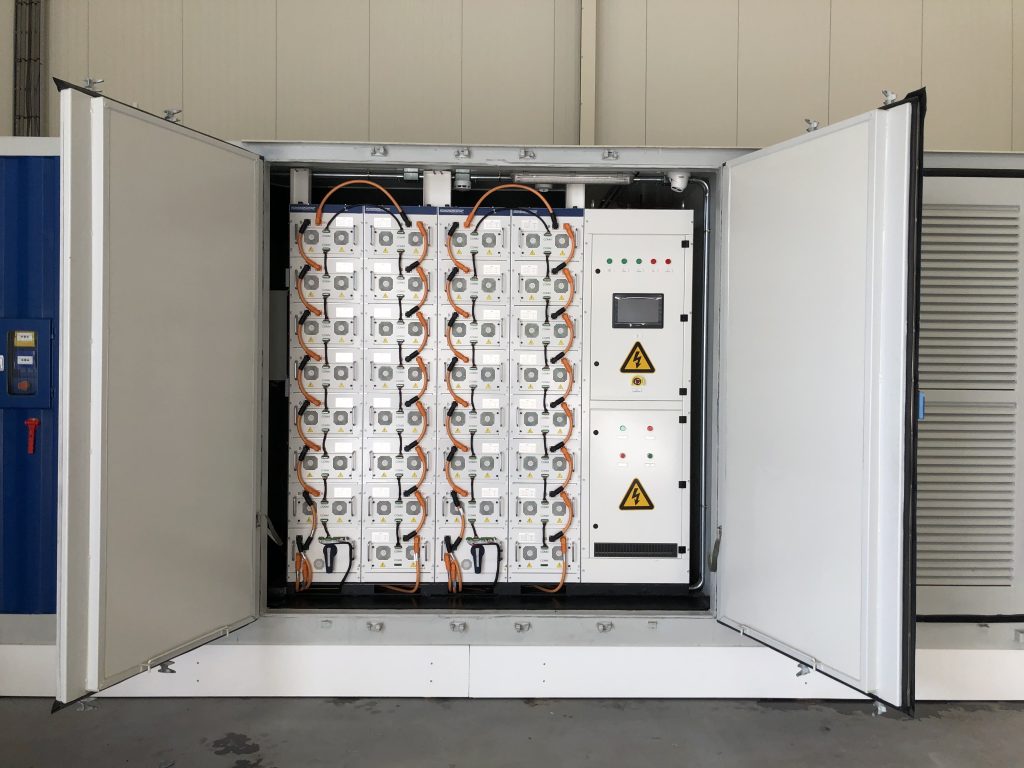
Industrial operations today depend heavily on continuous power availability. Whether it is a manufacturing plant, data center, industrial automation facility, logistics warehouse, or renewable energy project, even a few minutes of power disruption can result in production losses, equipment damage, operational delays, and financial setbacks. This is why industries across India, UAE, and Dubai are increasingly adopting lithium battery backup systems as part of their power resilience strategy.
A lithium battery backup system for industries provides instant backup power during outages, voltage fluctuations, and grid disturbances. Unlike conventional backup technologies, modern lithium-ion battery systems offer higher efficiency, longer lifespan, faster charging, and lower maintenance requirements. As industries move toward Industry 4.0, smart manufacturing, and digital infrastructure, reliable energy storage solutions have become essential for ensuring business continuity and power reliability.
Quick Answer
A lithium battery backup system stores electrical energy using advanced lithium-ion battery technology and automatically delivers backup power when the primary power source fails. In industrial environments, these systems work alongside Industrial Energy Storage Systems (ESS), Uninterruptible Power Supply (UPS) Systems, and Energy Management Systems to maintain continuous operations, protect critical equipment, and reduce costly downtime.
What Is a Lithium Battery Backup System?
A lithium battery backup system is an energy storage solution that stores electrical energy and supplies power during interruptions, outages, or fluctuations in the main power supply.
The system is designed to:
- Store excess electrical energy
- Deliver instant backup power
- Protect sensitive equipment
- Improve power quality
- Support business continuity
Modern industrial facilities increasingly rely on lithium-ion battery technology because it provides superior performance compared to traditional lead-acid battery systems.
In large-scale applications, these systems are often integrated into a Battery Energy Storage System (BESS) or Industrial Energy Storage System (ESS), enabling businesses to optimize power usage and improve operational resilience.
How Does a Lithium Battery Backup System Work in Industrial Environments?
Step 1: Energy Storage
Under normal operating conditions, the lithium battery system receives electricity from the utility grid, generators, renewable energy sources, or a combination of these sources.
The batteries store this electrical energy for future use.
For example, a manufacturing facility may charge its battery storage system during off-peak hours when electricity rates are lower.
Step 2: Continuous Monitoring
A Battery Management System (BMS) continuously monitors:
- Battery voltage
- Temperature
- Charge levels
- Performance parameters
- Safety conditions
This intelligent monitoring ensures the batteries operate safely and efficiently while maximizing lifespan.
Step 3: Power Quality Management
Industrial equipment often requires stable voltage and frequency levels.
The backup system works with power electronics and inverters to regulate power quality and protect sensitive machinery from:
- Voltage sags
- Voltage spikes
- Frequency fluctuations
- Grid disturbances
Step 4: Automatic Power Failure Detection
When a power outage or abnormal grid condition occurs, the system detects the interruption almost instantly.
Advanced industrial UPS and battery backup systems can respond within milliseconds.
Step 5: Instant Backup Power Supply
Once an outage is detected, stored energy is automatically discharged from the lithium batteries and delivered to connected loads.
This seamless transition ensures critical operations continue without interruption.
For data centers, even a few seconds of downtime can be costly. Instant backup power helps prevent service disruptions and data loss.
Step 6: System Recovery and Recharging
When grid power returns, the battery system automatically switches back to charging mode and replenishes stored energy for future backup requirements.
This automated cycle enables continuous readiness and reliable operation.
Why Industries Are Switching to Lithium-Ion Battery Technology
Industrial facilities are rapidly replacing conventional battery systems with lithium-ion solutions due to several advantages.
- Longer Lifespan
- Faster Charging
- Higher Energy Density
- Lower Maintenance
- Improved Efficiency
- Lower Total Cost of Ownership
How Lithium Battery Backup Systems Improve Business Continuity
Business continuity is a major concern for modern industries.
Power interruptions can lead to:
- Production downtime
- Revenue loss
- Equipment damage
- Data loss
- Delayed deliveries
- Customer dissatisfaction
A lithium battery backup system helps organizations maintain uninterrupted operations during unexpected power disruptions.
For facilities operating around the clock, maintaining uptime can significantly improve productivity and profitability.
Lithium Battery Backup Systems vs Traditional Lead-Acid Batteries
|
Feature |
Lithium-Ion Batteries |
Lead-Acid Batteries |
|
Lifespan |
Longer |
Shorter |
|
Maintenance |
Minimal |
Frequent |
|
Charging Speed |
Fast |
Slow |
|
Energy Density |
High |
Lower |
|
Efficiency |
High |
Moderate |
|
Space Requirement |
Compact |
Larger |
|
Operating Costs |
Lower Long-Term |
Higher Long-Term |
|
Reliability |
Excellent |
Moderate |
For industrial applications, lithium-ion technology increasingly offers better long-term value and performance.
Why Power Reliability Matters for Modern Industries
Industrial environments are becoming increasingly digital and automated.
Smart factories, industrial automation systems, AI-driven manufacturing, and connected infrastructure require reliable electrical power to function efficiently.
Power reliability directly impacts:
- Production output
- Operational efficiency
- Equipment longevity
- Safety compliance
- Customer service
- Business continuity
As industries continue investing in digital transformation, energy resilience will remain a critical business priority.
Why Businesses Choose InstaBESS?
InstaBESS – is a leading BESS manufactures company in India and we supply high-quality lithium battery backup systems across India, UAE, and Dubai.
The company supports industrial clients with solutions designed for:
- Industrial Energy Storage Systems (ESS)
- Battery Energy Storage Systems (BESS)
- Industrial UPS Integration
- Renewable Energy Storage
- Smart Manufacturing Facilities
- Data Center Infrastructure
- Business Continuity Solutions
- Industrial Power Backup Applications
By combining advanced lithium-ion battery technology with reliable engineering and energy management capabilities, InstaBESS helps organizations improve power reliability and operational resilience.
Conclusion
A lithium battery backup system for industries has become a critical component of modern industrial infrastructure. By combining advanced lithium-ion battery technology with intelligent energy management, these systems provide reliable backup power, improve business continuity, and support operational efficiency.
As manufacturing facilities, data centers, industrial automation systems, and renewable energy projects continue to expand across India, UAE, and Dubai, demand for Industrial Energy Storage Systems, Industrial Power Backup Solutions, and reliable UPS-integrated battery systems will continue to grow.
Organizations seeking long-term power reliability and operational resilience are increasingly turning to advanced high voltage lithium Ion battery technologies to support the future of industrial energy management.
Frequently Asked Questions
Industries need backup power to protect critical operations, prevent downtime, maintain productivity, and ensure business continuity during power interruptions.
Manufacturing, data centers, healthcare, telecommunications, logistics, renewable energy projects, and industrial automation facilities benefit significantly from reliable battery backup systems.
The systems automatically switch to battery power within milliseconds, ensuring uninterrupted operation of critical equipment and processes.
Depending on operating conditions and usage patterns, industrial lithium battery systems can often last significantly longer than traditional lead-acid alternatives.
Yes. Modern lithium battery systems are commonly integrated with UPS infrastructure to provide seamless backup power and enhanced reliability.
Yes. While the initial investment may be higher, lower maintenance costs, longer lifespan, improved efficiency, and reduced downtime often result in a lower total cost of ownership.