Battery Energy Storage System for Commercial Buildings
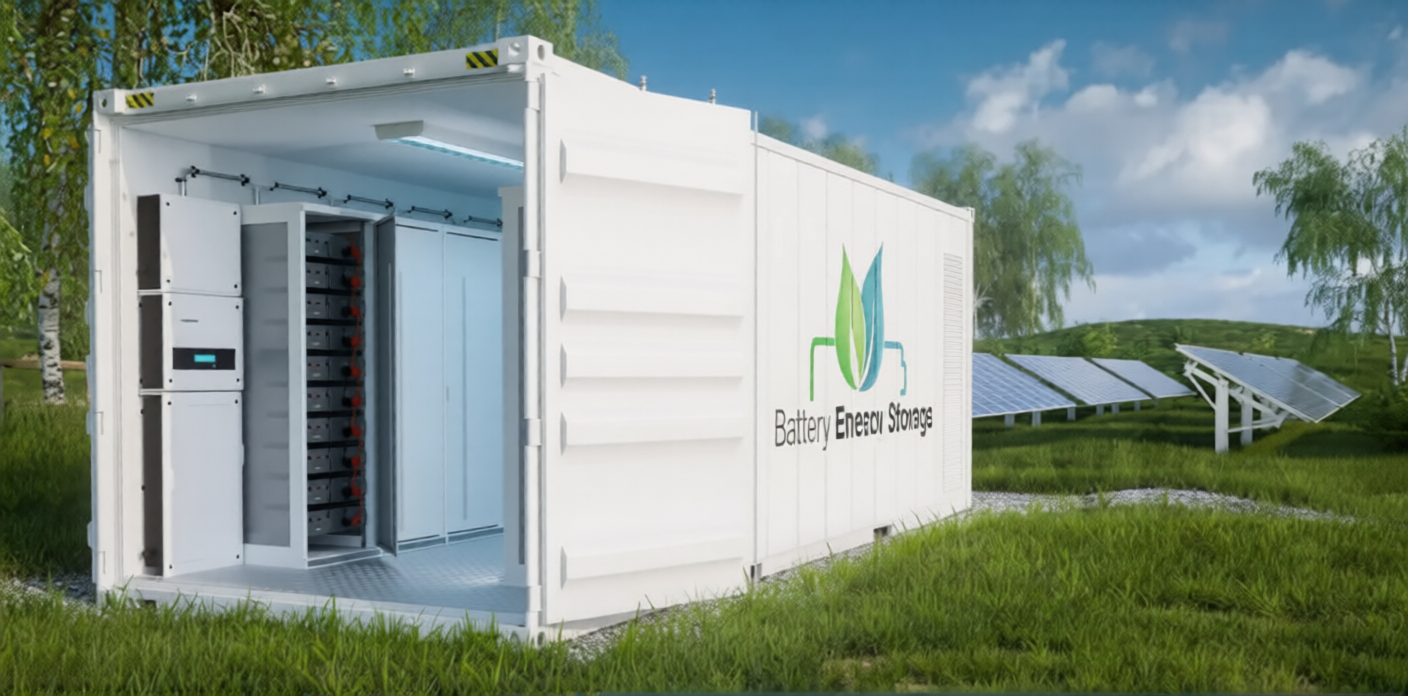
Rising electricity costs and increasing grid instability are pushing commercial buildings toward smarter energy infrastructure solutions. Industrial power consumption has changed dramatically over the last few years, with facilities operating under higher electrical loads, expanding automation systems, stricter uptime requirements, and growing pressure to reduce long-term operational energy costs.
At the same time, manufacturers, logistics operators, data centers, healthcare facilities, and large commercial properties are facing increasing challenges from grid instability, peak-demand pricing, and fluctuating electricity tariffs.
This is why the modern Battery Energy Storage System is no longer viewed as backup infrastructure alone. It has become a core part of industrial energy engineering strategy, helping facilities stabilize power consumption, improve load management, reduce operational risks, and support renewable energy integration.
Across sectors such as manufacturing, warehousing, healthcare, telecom, and infrastructure development, businesses are increasingly investing in intelligent battery storage systems capable of supporting both operational continuity and long-duration energy optimization.
Why Commercial Buildings Are Deploying Battery Storage Systems
Most industrial and commercial facilities experience uneven energy demand throughout the day. Equipment startup cycles, HVAC systems, refrigeration loads, heavy machinery operation, and production surges often create sharp peak loads that significantly increase electricity costs.
A properly engineered Battery Energy Storage System for Commercial Buildings helps reduce dependency on peak-hour grid supply by storing electricity during low-demand periods and discharging power during high-consumption intervals.
In practical terms, this helps facilities:
- Reduce peak demand penalties
- Improve power quality and voltage stability
- Maintain uninterrupted operations during outages
- Increase renewable energy utilization
- Lower long-term electricity expenditure
For facilities operating sensitive automation equipment or continuous production lines, power quality management is equally important. Voltage instability and sudden fluctuations can damage equipment, interrupt PLC-controlled systems, and reduce production efficiency.
This is where industrial-grade battery storage infrastructure becomes critical.
The Technical Advantage of Integrated Energy Storage Solutions
Modern industrial energy infrastructure increasingly relies on integrated energy storage platforms that combine lithium battery storage system, Battery Management Systems (BMS), intelligent Energy Management Systems (EMS), inverter technology, and thermal regulation into a centralized framework.
An advanced Battery Energy Storage Solution typically includes:
- High-cycle lithium battery packs
- Smart EMS monitoring
- Real-time load balancing
- Remote diagnostics and predictive maintenance
- Grid synchronization capability
- Solar integration support
- Advanced thermal safety systems
Facilities integrating rooftop solar systems are seeing additional advantages from combining renewable generation with storage infrastructure.
A solar energy storage system allows excess daytime solar generation to be stored and utilized during evening operational hours when electricity tariffs are often higher. This improves solar ROI while reducing dependency on the electrical grid.
For industrial users operating in regions with unstable power infrastructure, energy storage systems also provide critical operational redundancy and business continuity support.
Why All-in-One Energy Storage Systems Are Becoming Preferred
Traditional industrial battery deployments often required separate battery racks, cooling systems, inverter infrastructure, control systems, and protection equipment. This increased installation complexity, deployment timelines, and maintenance coordination.
Today, many commercial and industrial operators are shifting toward the all in one energy storage system approach.
Integrated systems simplify commissioning, reduce physical installation footprint, improve maintenance efficiency, and streamline system management. They are especially valuable for factories, telecom infrastructure, commercial buildings, and remote industrial operations where reliability and rapid deployment are priorities.
Manufacturers like Insta BESS specialize in manufacturing high-quality battery storage systems and industrial energy infrastructure for commercial and industrial applications. Their solutions are designed to support scalable deployment requirements across India, UAE, Dubai, and Saudi Arabia.
With growing infrastructure expansion across the Middle East and increasing industrial electrification, businesses are prioritizing reliable battery manufacturing standards, safety compliance, and long-cycle system performance during procurement decisions.
What Industrial Buyers Should Evaluate Before Deployment
Commercial buyers often focus primarily on battery capacity, but long-term system engineering quality plays a far greater role in operational performance and lifecycle reliability.
Key evaluation factors include:
- Depth of discharge (DoD)
- Cycle life performance
- Thermal management efficiency
- Safety certifications
- EMS software intelligence
- Scalability for future expansion
- Solar compatibility
- Maintenance accessibility
For example, facilities planning future EV charging integration or industrial automation expansion should ensure their battery infrastructure can scale without major redesign.
Long-term reliability depends heavily on system design quality, battery chemistry selection, and intelligent energy management integration — not simply the initial purchase cost.
Why Choose InstaBESS?
Insta BESS delivers industrial-grade battery energy storage solutions engineered for demanding commercial and infrastructure environments.
Key advantages include:
- Advanced lithium battery technology
- Integrated EMS and smart monitoring systems
- Scalable commercial and industrial deployment capability
- High safety and thermal protection standards
- Solar-ready energy storage integration
- Reliable performance for high-load operations
- Support for projects across India and the Middle East
Backed by strong engineering expertise and a focus on long-term operational reliability, Insta BESS solutions are designed to support the evolving energy requirements of modern industrial infrastructure.
Conclusion
Commercial energy infrastructure is rapidly moving toward intelligent, storage-supported power architecture. Rising electricity costs, operational electrification, and grid instability are forcing businesses to rethink how energy is generated, stored, and consumed.
A properly engineered energy storage for commercial buildings helps facilities improve operational reliability, reduce energy costs, stabilize power consumption, and maximize renewable energy utilization.
As industrial demand continues to grow across India and the Middle East, businesses are increasingly prioritizing high-quality battery storage infrastructure capable of delivering long-term performance under demanding operational conditions. Companies investing early in scalable energy storage solutions are positioning themselves for stronger energy resilience, operational stability, and long-term efficiency gains.
Frequently Asked Questions
It is used for peak shaving, backup power, load balancing, renewable energy integration, and improving energy efficiency in commercial and industrial facilities.
It stores excess solar energy generated during daytime hours and supplies that power when solar production decreases or operational demand increases.
They simplify installation, reduce maintenance complexity, save space, and provide integrated monitoring and protection within a centralized system.
Manufacturing plants, warehouses, hospitals, telecom infrastructure, logistics hubs, commercial buildings, and data centers commonly deploy battery energy storage backup.